Your first step on the road to a
pain-free back.
When I stopped stretching and started focusing on mobility instead, I finally began to get lasting relief from back pain! 10 years later, clients still tell me they start getting relief within the first few days of practicing their mobility exercises!
I know you want to stretch–mainly because people keep telling you to. But when you’ve had back pain, your body goes into “protective mode,” ordering muscles to grip around vulnerable areas. That usually means your back and your hips get tight- at least on one side.. The whole idea is to protect you from further injury. These muscles aren’t “tight” in a typical sense, so the body perceives stretching as another threat to your back. Often you feel even tighter an hour after stretching as the body works to further protect itself from harm.
The solution is to use gentle, pain-free exercises aimed at improving how well you move around key joints. This teaches your body that it’s safe to move. No more pushing. No more breath-holding. No more holding stretches for 30-60 seconds. This is much gentler.
Good mobility is the foundation of healthy movement.
WORK WITH MEBefore we go further...
- You’re looking for a quick fix. It takes time to improve movement.
- You can’t put in 20-30 minutes/day of focused work. Consistency is the key; 3 days per week won’t cut it.
- You plan to stop the exercises as soon as you’re feeling better. Success with back pain requires ongoing, consistent practice.


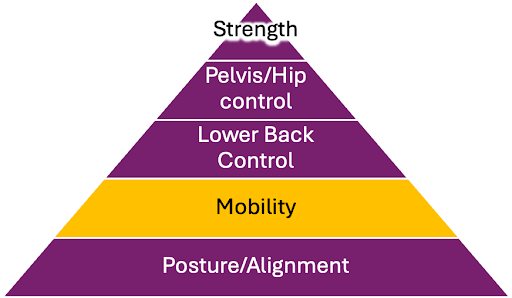
This method won’t work without the other pieces.
Without attention to alignment, you will continue to give into your stiffnesses and borrow motion from your back.
Without lower back control, it won’t feel safe to move more in your traditionally stiff areas. You’ll continue to grip through the hips and the back to protect your spine.
Without pelvis/hip control, you’ll continue to over-use quads, hip flexors and hamstrings. Eventually you will develop knee and/or hip pain.
Without strength, you won’t develop the durability that allows you to do more challenging tasks without injury–or the resilience to bounce back after you over-do it.
Here’s where Mobility fits into your lower back solution:
The Mobility Method in Action:
3 areas; tons of impact.
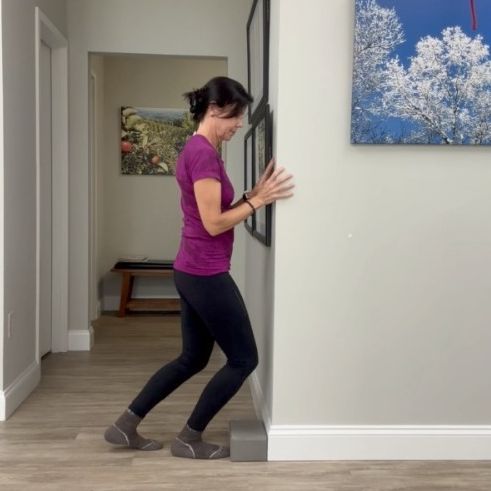
Ankle Mobility:
Often overlooked, ankle mobility either contributes to or sabotages gait. A stiff ankle can make you step short on 1 side, hyper-extend your knee, or even make you over-rotate in your lower back on one side.
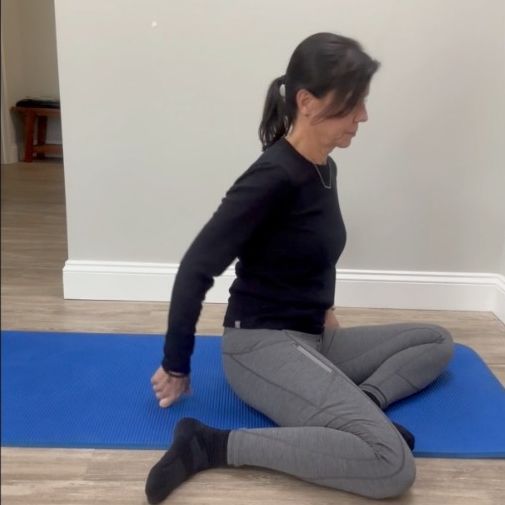
Hip Mobility:
Most of us know we have tight hips. It’s not just the hip flexors in the front of the hip, but also the hip rotators. When all these muscles are gripping to protect your back, your hip can get tight and pinchy on that side. It’s often diagnosed as “Impingement,” and may even make a noise, as in "Snapping Hip.” Tightness in 1 or both hips makes you borrow movement from your lower back, when you really should be moving from your hip. This can sabotage the best rehab and core strength programs.
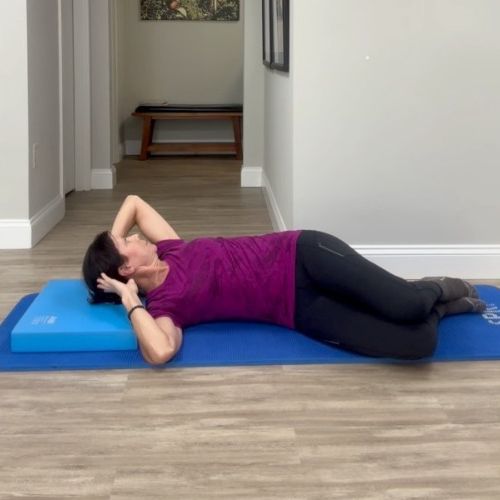
Upper back Mobility:
With all our modern conveniences, stiffness in the upper back is a common problem. Especially for golfers and racquet athletes, stiffness in the upper back can make you borrow rotation from your lower back, again undermining all that hard work you did in rehab or the gym to make your core strong.
Some of my clients’ results from this strategy:
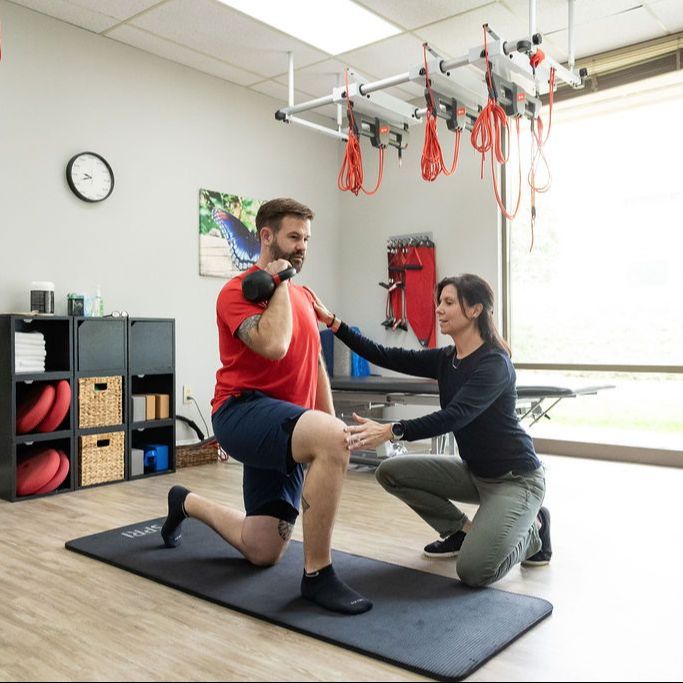
“…I’m realizing how insane the hip flexor stretches I was doing for my anterior pelvic tilt were–way too aggressive! These are so gentle, but effective!”
- Marissa M
"I just started, and the 3 mobility exercises you showed me last week have really helped! I’m excited to move forward!”
- Virginia O
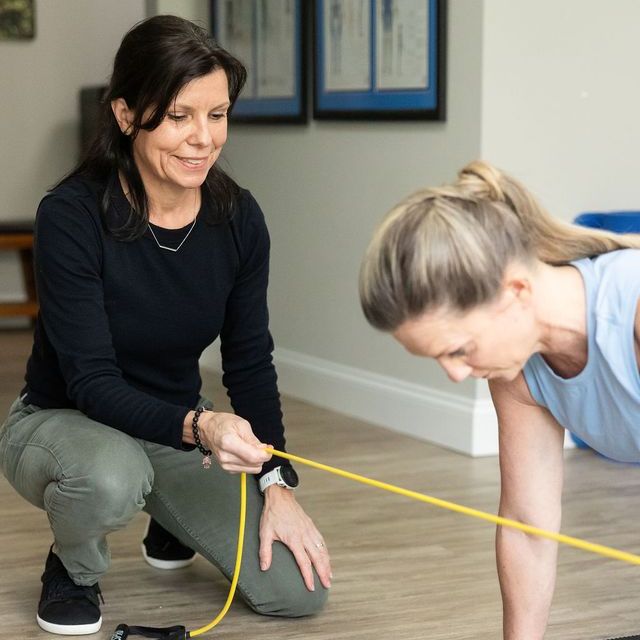

“I now realize how much small, consistent habits like the mobility exercises can make a real difference over time. Even without pain, I feel stronger and more aware of how to protect my back day to day”.
- Chancy S
What it looks like to solve your back pain around the Mobility Method:
As part of your Lower Back Pain solution:
Working on mobility exercises first not only improves range of motion in the targeted joints, but builds awareness of how much movement is available at those joints. This helps you avoid borrowing from your back in subsequent exercises, making learning how to control the position of your lower back and pelvis easier than it would be otherwise.
Movement Preparation and Warm-up:
No more worrying about whether to stretch before or after exercise. Your mobility patterns don’t make “cold” muscles feel vulnerable the way stretches can; they improve joint movement, using gentle but full, pain-free range of motion to get stiff joints moving better. This tells your nervous system that movement is safe. And that allows you to move more. You’re encouraged to use them before activity, but if you’re craving mobility work after activity, you can do that too!
Before/after travel:
We all get stiff when we sit in planes, trains and automobiles. A little mobility work both before and after you travel can get the kinks out in just a few minutes. Clients report feeling refreshed and ready to go after even a few minutes of post-travel mobility work.
A great way to start the day:
Often people complain of waking up stiff in the mornings. Building a short morning mobility routine can ease those stiff joints and get you ready to face the day.
LEARN MOREReady for the whole lower back pain solution?
Lower Back Mastery is a Group Coaching program for people who are done going from practitioner to practitioner hoping to fix their back, and are ready to learn how to manage their bodies by moving better. This doesn’t just resolve your back pain now, but sets you up to continue to move well and without pain for a lifetime. I give you the tools, teach you how to apply them, and get you back on your feet so you can do your thing–and keep doing your thing without pain.
Book a conversation to find out if it's the right fit